
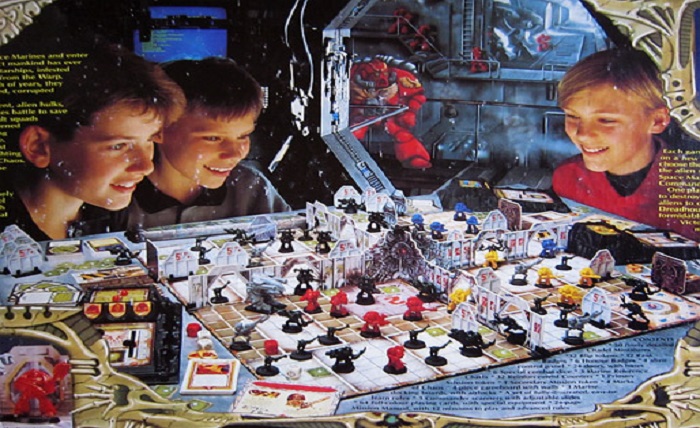
Think back to the basement floor of your childhood home. The carpet is probably shag, the light is dim, and scattered across the floor are oversized game boxes with neon-splashed artwork. That specific, slightly musty smell of cardboard and plastic tokens is a core memory for an entire generation. Fast forward to 2026, and those same titles—once relegated to garage sales or the back of a closet—are suddenly appearing on store shelves again, but with a sleek, high-production facelift.
The “remastered edition” phenomenon isn’t limited to video games or film. We are currently living through a golden age of tabletop revival. But this trend is about more than just cashing in on rose-tinted memories. It is a precise business strategy that marries our deep-seated need for comfort with the vastly improved production standards of modern board game design.
Why We Yearn for the Games of Yesterday
Nostalgia is a powerful economic driver, but why specifically now? We are living in a period of rapid technological churn, where the games we play on our phones evolve, update, and eventually vanish into obsolescence every few years. In contrast, a board game is permanent. There is a profound psychological comfort in returning to a ruleset that feels like an old friend, especially when the world outside feels increasingly complex and digitized.
However, many of us have realized that while we miss the feeling of playing those 90s classics, the actual experience often leaves something to be desired. The components were thin, the rules were riddled with holes, and the pacing was often dictated by luck rather than skill. This is where the modern remaster steps in, taking the skeletal structure of our childhood favorites and fleshing them out with modern design sensibilities.
The Remastered vs. Original Comparison
When designers decide to remaster a title from the 1990s, they aren’t just printing the same game on higher-quality paper. They are performing a delicate surgical operation, keeping the “soul” of the game while correcting its structural flaws.
The table below outlines the core improvements typically found in the transition from an original release to a 2026-style remastered edition:
| Feature | Original 90s Edition | Modern Remastered Edition |
| Component Quality | Thin cardstock, plastic tokens | Linen-finish cards, resin, wood, metal |
| Rulebook Clarity | Ambiguous, missing FAQs | Streamlined, illustrated, indexed |
| Pacing | Heavy luck elements, long “downtime” | Tightened loops, balanced catch-up mechanics |
| Visual Style | Dated neon palettes, clashing fonts | Unified art direction, thematic integration |
The goal of these remasters is to make the game play as well as you remember it in your head, rather than how it actually played on your basement floor twenty years ago.
Bridging the Gap Between Tangible and Digital
As we rediscover the joys of these remastered physical collections, we often find that our expectations for reward and engagement have been shaped by the digital age. We’ve grown accustomed to immediate gratification, bonus systems, and a sense of progression that makes every session feel rewarding.
This craving for balanced rewards isn’t exclusive to the physical table; it is a mindset we bring to all our leisure activities. Just as we enjoy the updated rewards in modern digital gaming—such as the thrill of claiming HitnSpin casino Free Spins to kickstart a session—there is a specific joy in seeing our old favorite board games get a fresh coat of paint. These modern incentives, whether they are enhanced physical tokens in a box or digital bonuses on a screen, satisfy our human desire to be rewarded for our participation. It is this shared desire for high-quality, rewarding experiences that makes both modern remasters and sleek digital gaming so appealing today.
The Technical Deep-Dive into the Revival
What does it actually take to bring a game from 1995 into 2026? It requires a focus on two specific pillars: structural integrity and sensory experience.
Component Upgrades
The most immediate change in any remaster is the tactile experience. We no longer accept paper-thin player boards or lightweight dice. Remasters focus on weight and texture—the “heft” of a well-balanced die or the satisfying click of a magnetic box closure. These aren’t just aesthetic choices; they increase the longevity of the game, ensuring that the title remains a centerpiece of a collection for another few decades.
Rule Streamlining
Modern game design has moved toward minimizing downtime and maximizing player agency. In many 90s titles, players would spend twenty minutes just calculating movement or resolving messy combat phases. Remasters frequently “clip the hedges”—removing unnecessary sub-rules, clarifying messy card text, and implementing modern quality-of-life mechanics. The game remains recognizable, but it plays with the brisk, efficient pacing that today’s tabletop hobbyists expect.
The Checklist for a Successful Re-release
Not every classic deserves a remaster. Publishers have to be careful not to alienate the “purists” while still attracting a new audience. To succeed, a remastered edition usually hits a specific set of benchmarks.
If you are looking to invest in a remastered classic, check if it meets the following criteria for a high-value purchase:
- Thematically cohesive art. Does the new art serve the game’s theme, or is it just a generic modern update?
- Rulebook modernization. Has the publisher included an updated FAQ or a revised manual that addresses common community house rules?
- Storage solutions. Does the box come with a functional insert that makes setup and teardown faster?
- Community compatibility. Is the new edition compatible with any existing expansions, or does it include them all in a “Deluxe” box set?
We are currently in a cycle where the games of our childhood are being refined into the hobby staples of our adult lives. By the time we reach 2030, many of the greatest designs of the 90s will have been preserved, polished, and protected for a new generation. This “nostalgia loop” is a win-win: it gives designers a foundation to improve upon, and it gives players a chance to reclaim the magic of their youth, minus the clunky rules and frayed edges.