
If you have ever stood in front of a classroom and asked a question, only to be met with silence, you already understand how difficult it can be to keep students engaged. Participation does not always come naturally, especially when students feel unsure or shy. This is where a spinner wheel becomes a powerful classroom tool.
A spinner wheel is a simple yet effective way to bring energy into lessons. It adds an element of randomness that keeps students alert and involved. Instead of choosing students yourself or following a predictable pattern, the wheel makes decisions for you. This creates excitement because no one knows what will happen next.
Teachers across different grade levels are now using spinner wheels as part of their daily routine. Whether it is for picking names, selecting topics, or choosing activities, this tool helps transform ordinary lessons into interactive experiences that students actually enjoy.
What Is a Classroom Spinner Wheel
A classroom spinner wheel is a tool divided into multiple sections. Each section contains something like a student name, a topic, a question, or an activity. When the wheel spins, it randomly selects one of those options.
This randomness is the key to its effectiveness. Students tend to pay more attention when outcomes are unpredictable. They stay mentally prepared because they know they might be chosen at any moment.
The wheel can be physical, like a cardboard spinner, or digital, which is now more common. Digital versions are easy to customize and can be used on a projector or shared screen.
Different Types of Spinner Wheels in Education
There are several ways teachers use spinner wheels depending on their goals.
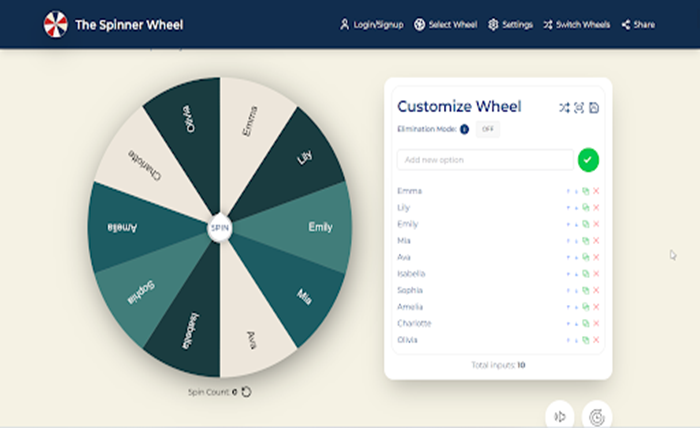
The most common one is the name picker. Teachers add all student names to the wheel and spin it whenever they need someone to answer. This removes any sense of favoritism and makes participation fair.
Another popular option is the topic selector. Here, each section contains a lesson topic, chapter, or subject. This works well for revision sessions where the class can randomly decide what to review.
Some teachers use question wheels where each section contains a question or prompt. Students spin and answer whatever comes up. This method is great for quick assessments and practice.
Reward wheels are also effective. Students earn spins based on performance or behavior, and the wheel decides the reward. It could be something simple like a short break or choosing music for the class.
Group formation wheels help teachers assign students into teams randomly. This saves time and avoids the usual issues that come with students choosing their own groups.
Step by Step Guide to Using a Spinner Wheel
Start by choosing your tool. If you have access to a screen, a digital spinner works best. If not, a physical spinner can do the job just as well.
Next, decide what you want to include on the wheel. Keep it simple and relevant to your lesson. If it is a name picker, add all student names. If it is topic based, include key subjects or chapters.
Before using it, explain the rules to your students. Let them know that everyone has an equal chance of being selected and they should always be ready.
When you spin the wheel, do not rush it. Let it spin fully. The suspense is what builds excitement and keeps students engaged.
Once the wheel stops, move straight into the activity. Do not leave gaps where energy can drop.
Repeat the process as needed and make it a regular part of your teaching routine.
Using Spinner Wheels Across Subjects
In mathematics, you can use the wheel to choose problem types like fractions or algebra. You can also create number wheels to generate random math questions.
For English, spinner wheels are perfect for writing prompts. Students can spin and write based on the result. You can also use it for vocabulary practice or storytelling activities.
In science, the wheel can assign roles during experiments. It can also be used for reviewing concepts or steps in a process.
Social studies teachers can use it to select historical events or topics for discussion. It also works well for debates where students are randomly assigned positions.
For language learning, spinner wheels can help with vocabulary practice and speaking exercises. Students can spin and form sentences based on the result.
Why Spinner Wheels Work So Well
The effectiveness of spinner wheels is backed by simple psychological principles.
One major benefit is fairness. Every student has an equal chance of being selected, which encourages participation from everyone, not just the confident ones.
Another reason is attention. When students know selection is random, they stay focused because they might be next.
It also adds a game-like element to learning. This makes lessons more enjoyable without requiring complex systems or tools.
Spinner wheels also reduce pressure. Since selection is random, students do not feel targeted. This makes them more comfortable participating.
They also promote active recall. Students have to think and respond on the spot, which helps improve memory and understanding.
Best Digital Spinner Wheel Tools
There are many tools available, but some stand out for classroom use.
Wheel of Names is one of the most popular options. It is simple, fast, and does not require an account.
Picker Wheel offers more customization and supports different formats.
Flippity works with Google Sheets, making it easy for teachers already using Google tools.
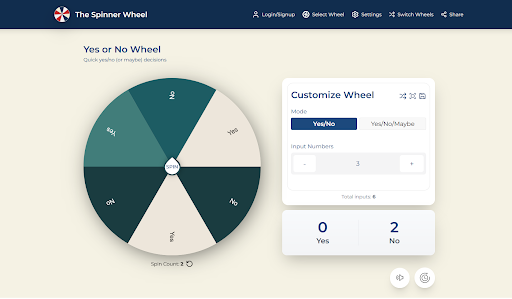
Another useful option is an online decision maker tool like this which is especially helpful for quick decisions in class. It is simple, fast, and does not require any setup. Teachers can use it when students need to choose between two options or settle small classroom debates in a fair way.
ClassDojo also includes a built in random picker if you are already using it for behavior management.
Physical Spinner Wheel Ideas
If technology is not available, physical spinners work just as well.
You can create a simple cardboard spinner using paper and a pin. It is easy to make and can be reused.
Another idea is using a classroom board with removable labels. This allows you to change content quickly.
A simple bottle spin method can also work in small groups. Place labeled cards around and spin a bottle to select.
These options are low cost but still very effective.
Tips for Better Results
Introduce the spinner wheel early in the school year so students get used to it.
Keep the content updated. If the wheel stays the same for too long, it loses its excitement.
Make sure all sections are balanced so no option feels unfair.
Allow students to ask for help if needed. This keeps the activity supportive rather than stressful.
Use the spinner as a tool, not for everything. Overuse can reduce its impact.
Common Mistakes to Avoid
One mistake is using the spinner as a full assessment tool. It only captures one response at a time, so it should be combined with other methods.
Another mistake is spinning too quickly. The anticipation is part of what makes it effective.
Forgetting to remove selected names in a name picker can also create imbalance.
Adding too many sections can make the wheel hard to read and less effective.
Some students may feel anxious about randomness. It is important to support them and offer alternatives when needed.
Final Thoughts
A spinner wheel may look like a simple tool, but its impact on classroom engagement is significant. It brings fairness, excitement, and structure into everyday lessons.
Students become more attentive, more involved, and more willing to participate. Lessons feel less routine and more interactive.
The key is to use it with intention. Start small, experiment with different formats, and observe how your students respond.
Once it becomes part of your teaching style, you will notice a clear difference in classroom energy and participation.