Blooket Café: How to Play, Serve Customers, and Build a Five-Star Business
Welcome to Blooket Café, the game mode where correct answers are only half the job. The other half is running a business: customers walk in hungry, your shelves need stocking, and every coin you earn can be reinvested into better food and better equipment. Café is one of the calmest, most satisfying modes in Blooket — less about split-second speed, more about smart planning over a long shift. This guide explains how Café works, how the restock-and-upgrade loop drives your earnings, and the strategy that turns a tiny snack stand into the busiest café in class.
How Blooket Café Works
In Café, you run a small food shop, and your customers are Blooks. The core loop runs like this:
- Customers arrive with orders. Each customer wants a specific food item from your menu.
- Serve them from your stock. If you have the item, you serve it and earn money. If your shelf is empty, that customer — and that sale — is lost.
- Answer questions to restock and earn. Questions are how you refill your food supplies. Correct answers put items back on your shelves so the next customers can be served.
- Spend profits on upgrades. Between rushes, you invest in new foods and equipment that raise your prices, your capacity, and how much each customer is worth.
Unlike race-style modes, Café is usually played over a longer session, and it is a favourite for homework and solo play because there is no opponent rushing you — just your own business to grow. If you enjoy this management pace, browse the other modes in our Blooket Game Modes overview to find its cousins.
A Day in Your Café: The Round Structure
A typical Café session moves through a rhythm of stocking, serving, and upgrading. Early on, your menu is tiny — one or two basic items — and your customers are few. Each correct answer adds stock; each served customer adds coins. As coins accumulate, you unlock richer foods that sell for more, and equipment that lets you hold more stock at once or serve customers faster.
The key insight is that your café earns in two currencies at once: answers produce stock, and stock produces money. If either side stalls — shelves full but no customers served, or customers waiting at empty shelves — your earnings stall with it. Good Café players keep both sides moving.
Restocking Strategy: Never Let a Shelf Sit Empty
An empty shelf earns exactly zero, and it is the most common beginner mistake. Practical restocking habits:
- Restock before you run out, not after. If an item is down to its last couple of units, your next answers should go to refilling it. Customers do not wait while you scramble.
- Spread stock across your menu. Customers order different items. Ten units of one food and zero of everything else means most customers walk away.
- Watch which items sell fastest. Your best-seller deserves the deepest stock — it is your most reliable income.
- Keep answering even when shelves look full. A full shelf at the start of a rush is money already half-earned; the rush will drain it faster than you expect.
Upgrades: Where Your Money Should Go
Upgrades are where Café becomes a real strategy game. Your coins can buy new food items, bigger storage, and equipment that makes each sale worth more. As a rule of thumb:
- Unlock new foods early. A wider menu means more of your customers find something to buy. Each new item is a new revenue stream.
- Then raise your capacity. If you constantly lose sales because shelves empty mid-rush, storage and stock upgrades pay for themselves quickly.
- Invest in price-boosting equipment once your basics are solid. Percentage boosts are worth little on a tiny menu and a fortune on a big one — timing matters.
Avoid the trap of hoarding coins “just in case.” In Café, unspent money is a shelf you did not stock and a customer you did not serve. If an upgrade pays back within a few rushes, buy it and move on. Players who love this invest-and-grow loop usually enjoy Blooket Factory as well — it takes the same business idea and turns it into a full production line.
Café in Solo and Homework Sessions
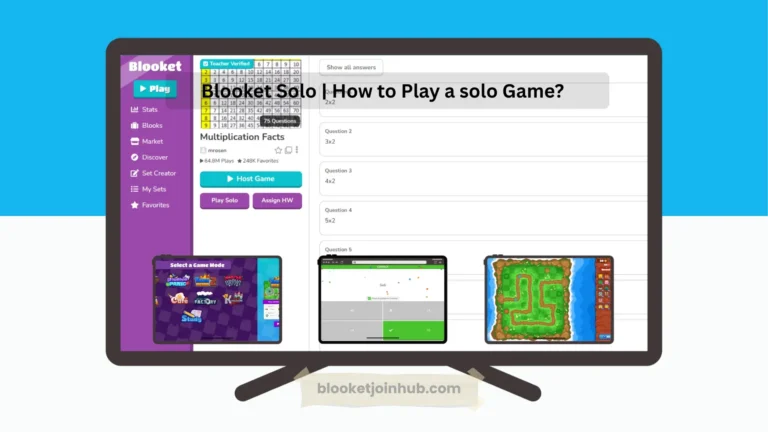
Café shines in Blooket Solo play because it is self-paced: you can take your time over questions, plan upgrades carefully, and play a long session across a study period. Teachers like assigning it as homework for the same reason — students experience it as running a little business rather than sitting a test, while quietly answering dozens of curriculum questions along the way.
One solo tip: set yourself a target before you start — a coin total, a fully upgraded menu, a number of customers served. Café has no opponent to chase, so a personal goal keeps the session focused.
Common Café Mistakes to Avoid
- Stocking only one item. Variety is what converts foot traffic into sales.
- Ignoring upgrades while coins pile up. Growth compounds; the earlier you invest, the more every later rush pays.
- Restocking randomly instead of watching levels. Serve the menu you have, not the one you wish you had.
- Rushing answers and getting sloppy. A wrong answer stocks nothing. In Café, calm accuracy beats frantic speed.
A Sample Shift: How a Good Café Run Unfolds
To see the strategy in action, imagine a typical session. You open with a bare counter — one simple food, a trickle of customers. Your first answers go entirely into stocking that item deep, because right now a stocked shelf is your only income. The first coins arrive, and instead of celebrating, you spend them immediately on a second menu item; the very next rush, half your customers want the new food, and you are ready for them.
Midway through the shift, the pattern settles: answer, restock, serve, earn. Now you notice something — your best-selling item empties during every rush while another barely moves. So you rebalance: deeper stock where demand is proven, shallower where it is not, and your next upgrade goes into capacity so the best-seller never runs dry mid-rush again. Sales per rush climb noticeably.
By the late shift, your early investments are compounding. The menu is wide, the shelves are deep, and the price-boosting equipment you bought once the basics were solid is now adding a healthy bonus to every single sale. Nothing about your answering changed — you simply built a business where each correct answer is worth three times what it was at opening. That transformation, from answer-grinder to café owner, is the whole pleasure of the mode.
Frequently Asked Questions
Is Blooket Café multiplayer?
Café is mainly a solo and homework mode — you compete against your own targets and the class leaderboard rather than battling rivals live, which makes it one of the most relaxed modes on Blooket.
What should I buy first in Café?
New food items. A broader menu means fewer customers leave empty-handed, and every later upgrade becomes more valuable.
How do I earn money faster in Café?
Keep every shelf stocked, spread your stock across the menu, reinvest profits quickly, and protect your answer accuracy — correct answers are the only way stock appears.
Café proves a Blooket mode does not need explosions to be addictive — it just needs a business worth growing. Stock smart, upgrade with purpose, and your little café will be the richest in the class. New to Blooket? Our Blooket Join guide gets you into your first game in under a minute.